Home / Robotic Knee Replacement
Robotic Knee Replacement in Varanasi
A clear, patient-friendly guide to robotic-assisted knee replacement with Dr. Samay Jaiswal, fellowship-trained in robotic knee surgery.
What is robotic-assisted knee replacement?
In a knee replacement, the worn surfaces of the knee joint are removed and replaced with metal and medical-grade plastic components. The aim is to reduce pain and improve movement in a knee damaged by arthritis.
In a robotic-assisted knee replacement, the surgeon uses a computer and a robotic arm or handpiece to measure your knee during the operation and plan where each implant component should sit. The robotic system then helps the surgeon carry out that plan.
Robotic assistance may support precision in surgical planning and joint alignment, depending on the patient's condition and the surgeon's assessment. The surgeon is in control at every step; the robot does not operate on its own.
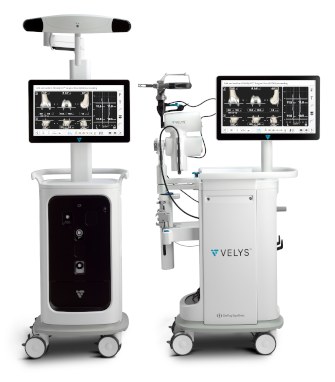
The VELYS™ robotic-assisted solution
Dr. Samay Jaiswal uses the VELYS™ robotic-assisted solution, the system he trained on during his Johnson & Johnson robotic knee fellowship, for selected knee replacements. It maps your knee during the operation, measures how the ligaments are balanced and helps place the implant to plan.
The surgeon makes every decision and performs the operation. The robot supplies measurements, planning data and guidance for the instruments.
Book a robotic knee consultationMapped during surgery
Your knee is mapped in the operating theatre, so the VELYS workflow does not need a CT scan before surgery.
Ligament balance checked
Knee movement and soft-tissue balance are measured to help plan the operation.
Guided implant alignment
The system guides the planned position and alignment of the new joint.
Assisted bone preparation
Technology-assisted cuts help prepare the bone to match the plan.
No planning CT radiation
Without a pre-operative CT scan there is no extra radiation from planning scans. Routine X-rays are still used.
Suitability for robotic-assisted surgery is decided after a full assessment, and results vary between patients.
Who May Benefit
Robotic-assisted knee replacement may be considered for people who:
- Have advanced knee osteoarthritis or other arthritis confirmed on examination and X-ray
- Have knee pain that limits walking, climbing stairs, sleeping or daily routines
- Have not found enough relief from medicines, physiotherapy, weight management or injections
- Have knee deformity, such as bow-legs or knock-knees, where alignment planning is important
- Are medically fit for surgery and anaesthesia
- Are ready to take part in a rehabilitation programme after surgery
Not every patient needs robotic surgery, and conventional knee replacement remains a well-established option. Dr. Jaiswal will advise which approach suits you after a full assessment.
How It Helps
Personalised planning
Your knee's shape, ligament balance and alignment are measured during surgery to create a plan specific to you.
Alignment and balance
Assistance with implant positioning may support precision in joint alignment and soft-tissue balance, depending on your condition and the surgeon's assessment.
Real-time feedback
The surgeon can check measurements during the operation and fine-tune the plan before final implants are placed.
Results vary between individuals. Outcomes depend on many factors, including the condition of the knee, general health, bone quality and rehabilitation, and no surgical technique can guarantee a particular result.
What to Expect
A typical pathway, which will be tailored to you.
Read the preparation guide- Consultation and examinationDiscussion of your symptoms, daily limitations and goals, a physical examination and review of earlier reports.
- Imaging and testsX-rays and any other scans needed, plus blood tests and a fitness check for surgery and anaesthesia.
- Treatment discussionOptions, benefits, risks and expected recovery are explained so you and your family can make an informed decision.
- Surgery dayUnder anaesthesia, the surgeon maps your knee, confirms the plan and places the implants with robotic assistance.
- Hospital stayPain management and early, supervised movement, often starting soon after surgery as advised by your care team.
Recovery and Rehabilitation
Physiotherapy is a central part of recovery. Timelines below are general and differ from person to person.
First days
Assisted standing and walking with a support, ankle and knee exercises, and pain control.
First weeks
Home exercises, wound care, gradually improving bending and walking distance, and follow-up visits.
Following months
Building strength and balance, returning to routine activities as advised by your surgeon and physiotherapist.
Long-term care
Regular reviews, staying active and maintaining a healthy weight to look after your new knee.
Contact the clinic promptly if you notice increasing redness, discharge from the wound, fever, sudden calf pain or swelling, or breathlessness after surgery. In an emergency, go to the nearest hospital.
Common questions about robotic knee replacement
Does a robot perform the surgery?
Is robotic knee replacement suitable for everyone?
Will recovery be faster with robotic surgery?
How long will I stay in hospital?
Speak to a Robotic Knee Replacement Surgeon in Varanasi
Find out whether robotic-assisted knee replacement is right for you.